How to Stay Focused When Your Phone is the Problem
The average person checks their phone 150+ times a day. Here are practical strategies to break the scroll cycle and take back your attention.

The Phone in Your Pocket is Stealing Your Focus
How to stay focused is the question nearly everyone asks themselves at some point during the day. You sit down to work, study, or create — and within minutes, your hand reaches for your phone. A quick check turns into 20 minutes of scrolling. Sound familiar?
Research from RescueTime shows the average person checks their phone 150+ times per day and spends over 3 hours on it. That’s not a habit — it’s a pattern engineered by some of the smartest designers in Silicon Valley. Every notification, every red badge, every autoplay video is designed to pull you back in.
But here’s the good news: you can fight back. Not with willpower alone (that rarely works), but with practical systems that make distraction harder and focus easier.
Why Willpower Alone Fails
Your prefrontal cortex — the part of your brain responsible for self-control — has limited capacity. Every time you resist the urge to check your phone, you burn through a bit of that capacity. By mid-afternoon, your willpower tank is empty.
This is why “just put your phone down” is terrible advice. It treats a systems problem like a character flaw. Instead of relying on willpower, you need to design your environment and tools to make the right choice the easy choice.
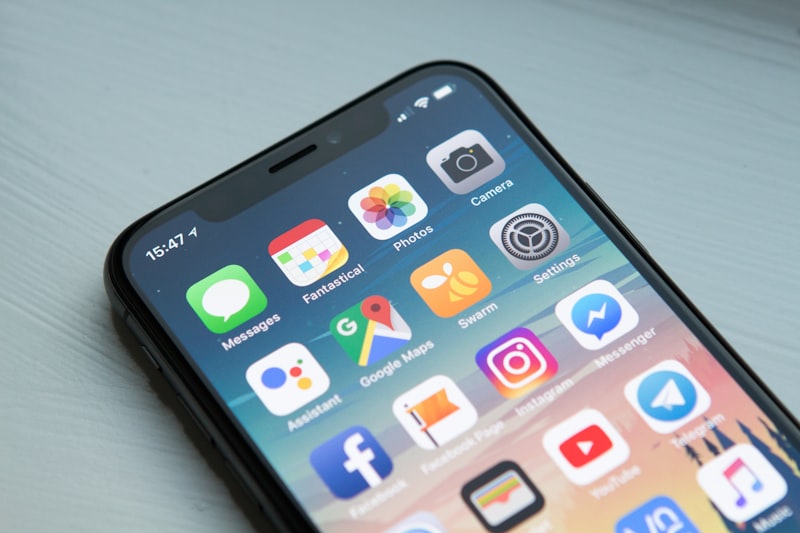
5 Practical Strategies to Break the Scroll Cycle
1. Block Distracting Apps Before You Start Working
The most effective focus strategy is the simplest: remove the option entirely. If Instagram, TikTok, and Twitter aren’t accessible, you can’t scroll them. It’s not about self-control — it’s about eliminating the choice.
App blockers work because they shift the equation. Instead of spending energy resisting temptation, you spend zero energy because temptation doesn’t exist. Tools like LockInVibe take this further with an earn-back system — you complete tasks to gradually earn your app time back, turning productivity into a reward instead of a punishment.
2. Time Box Your Deep Work
Open-ended “focus time” rarely works because your brain needs boundaries. Instead, try time boxing: set a specific window (25, 50, or 90 minutes) where you commit to one task.
The Pomodoro Technique is the most popular version — 25 minutes of focused work, followed by a 5-minute break. The timer creates urgency that keeps you engaged, and the break gives your brain a reward to look forward to.
3. Design Your Physical Environment
Your environment is either working for you or against you. A few changes can dramatically reduce phone temptation:
- Put your phone in another room. Physical distance creates friction. If your phone is in a drawer across the house, you’re far less likely to check it during a focus session.
- Use a dedicated workspace. Your brain associates locations with behaviors. If you always scroll in bed, you’ll always want to scroll in bed. Reserve a specific spot for focused work.
- Reduce visual triggers. Turn off all notifications except calls. Better yet, use Do Not Disturb mode during work hours.
4. Make Tasks Tangible and Rewarding
One reason phones win is because they offer instant gratification. Your work often doesn’t. You can close this gap by breaking large tasks into small, completeable chunks.
Instead of “Write the report,” try:
- Draft the introduction (15 minutes)
- Outline the data section (10 minutes)
- Write the conclusion (15 minutes)
Each completed chunk gives your brain a small dopamine hit — the same kind of reward your phone provides, but from productive work. LockInVibe’s task system builds this directly into focus sessions: each completed task literally reduces your block time, creating a tangible connection between doing work and earning freedom.
5. Track Your Progress, Not Your Failures
Most people focus on how many times they failed to stay focused. Flip the script: track your wins instead. How many minutes did you focus today? How many tasks did you complete? How many focus sessions did you finish?
Tracking positive metrics builds momentum. When you can see your focus time increasing week over week, it becomes something you want to protect — not something you grudgingly force yourself to do.
The Compound Effect of Focus
Here’s what most people miss: focus compounds. One good 25-minute session doesn’t change your life. But 4 sessions a day, 5 days a week, for a month? That’s 33 hours of deep, uninterrupted work. In a year, that’s 400 hours — the equivalent of 10 full work weeks that most people lose to scrolling.
The strategies above aren’t about becoming a productivity robot. They’re about reclaiming enough of your attention to do the things that actually matter to you — finishing that project, studying for that exam, building that side hustle, or simply being present with the people you care about.
Start Small, Start Now
You don’t need to overhaul your entire life. Pick one strategy from this list and try it for one week:
- Block your top 3 distracting apps during work hours
- Do one 25-minute Pomodoro session per day
- Move your phone to another room while you work
The goal isn’t perfection. It’s progress. And every focused minute is a minute you chose to spend on what matters instead of what’s engineered to waste your time.
Ready to take back your focus? LockInVibe blocks distracting apps and uses the earn-back system to turn productivity into earned freedom. No willpower required — just lock in and vibe. Download LockInVibe — free on iOS and Android.
Ready to take back your focus?
LockInVibe blocks distracting apps and gives your scroll time back when you finish your tasks. Free on iOS & Android.